







 配送


書 正版 斑駁人類世指南 新的性質 Field Guide to the Patchy Anthropocene 英文原的詳細資訊
書籍為正版書籍 ,部分絕版書籍,為舊書或者二手書籍,建議咨詢客服
1.書籍均為簡體正版書籍,大陸版社直接寄送。部分絕版書籍為二手二手書籍
2.貨物3天內安排寄送,到貨時間大概8~12天,有時間要求請及時聯繫。
3.圖書因物流運送且多為單冊包裝,偶有碰撞折損潮損,非無法閱讀均不可退貨,完美要求者請切勿下標。
4.大物件商品超過超區規格,需要下標宅配到付哦 。
5.可免費代尋書籍!店鋪每天上新歡迎關注!
6.收到商品有任何問題,歡迎咨詢,感謝~
開 本:32開
紙 張:輕型紙
包 裝:精裝
是否套裝:否
國際標準書號ISBN:9781503637320
所屬分類:圖書>英文原版書>人文社科 Non Fiction>Social Sciences
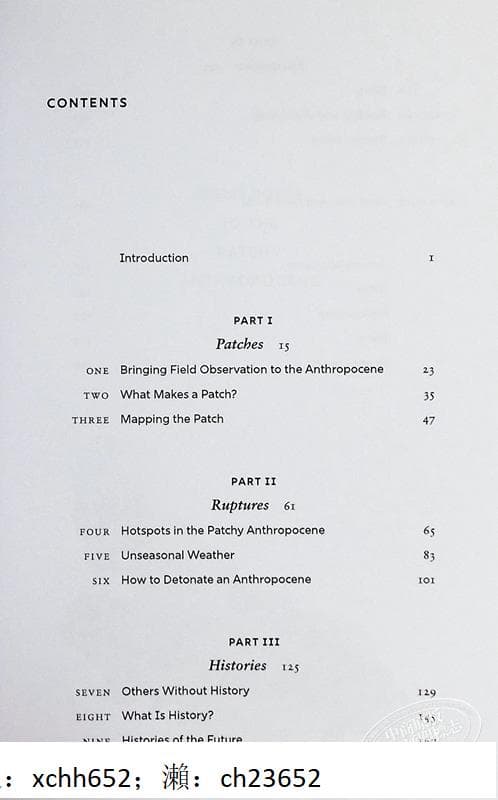
美國先鋒人類學家羅安清 斑駁人類世指南:新的性質Field Guide to the Patchy Anthropocene:The New Nature
基本信息
Format:Hardback 344 pages
Publisher:Stanford University Press
Imprint:Stanford University Press
ISBN:9781503637320
Published:7 May 2024
Weight:688g
Dimensions:162 x 237 x 29 (mm)
頁面參數僅供參考,具體以實物為準
書籍簡介
盡管全球科學界近期因統治人類世(這個時代可以追溯到工業革命時期,人類活動真正開始改變地球)而成為頭條新聞,但還沒有資格進入地質時代,但了解人類改造地球的本質 比以往任何時候都更加重要。 人類活動的影響是全球性的,但在不同的社會和生態“斑塊”中形成,這些區域是不連續的,其中的關鍵參與者可能不是人類,而是創造我們的植物、動物、真菌、病毒、塑料和化學物質。 新世界。 《不完整的人類世實地指南》盤點了我們當前的地球危機,引導讀者通過一系列地點、思想實驗和流派延伸的描述實踐來培育復興的自然歷史。
實地指南教我們如何注意、命名,從而更好地欣賞超越人類的世界。 它們磨練我們的觀察力,教會我們重新看待世界。 實地觀察和地方知識培養——近距離接觸不完整的動態——對于真正應對生態挑戰和歷史時刻至關重要,這些挑戰和歷史時刻將我們帶到了多個轉折點。 商業性農業徑流是如何在黑海產生櫛水母的? 大西洋奴隸貿易在攜帶病毒的蚊子在全球范圍內的傳播中發揮了什么作用? 綠色革命如何將褐飛虱轉變為菲律賓稻田的超級捕食者? 諸如此類的問題開辟了新的理解方式和生活方式,人類活動開創了這個時代。
本實地指南將注意力從全球化的知識提取實踐轉移到鼓勵各行各業的熟練觀察者追求他們對地方、社會正義和多物種社區的承諾。 通過關注人類世的生物、地點、生態和歷史,我們可以重新點燃對我們受損的星球的好奇心、奇跡和關懷。
While the global scientific community recently made head s by ruling the Anthropocene―an era many date to the Industrial Revolution when human action truly began to transform the planet―did not qualify for a geological epoch quite yet, understanding the nature of human transformation of the Earth is more important than ever. The effects of human activity are global in scope, but take shape within distinct social and ecological \"patches,\" discontinuous regions within which the key actors may not be human, but the plants, animals, fungi, viruses, plastics, and chemicals creating our new world. Field Guide to the Patchy Anthropocene takes stock of our current planetary crisis, leading readers through a series of sites, thought experiments, and genre-stretching descriptive practices to nurture a revitalized natural history.
Field guides teach us how to notice, name, and so better appreciate more-than-human worlds. They hone our powers of observation and teach us to see the world anew. Field-based observations and place-based knowledge cultivation―getting up-close and personal with patchy dynamics―are vital to truly grapple with the ecological challenges and the historical conjunctures that are bringing us to multiple tipping points. How has commercial agriculture runoff given rise to comb jellies in the Black Sea? What role did the Atlantic slave trade play in the worldwide spread of virus-carrying mosquitoes? How did the green revolution transform the brown planthopper into a superpredator in Philippine rice fields? Questions like these open up new ways of understanding, and ways of living through, the epoch that human activity has ushered in.
This Field Guide shifts attention away from knowledge extractive practices of globalization to encourage skilled observers of many stripes to pursue their commitments to place, social justice, and multispecies community. It is through attention to the beings, places, ecologies, and histories of the Anthropocene that we can reignite curiosity, wonder, and care for our damaged planet.
作者簡介
Anna Lowenhaupt Tsing 是加州大學圣克魯斯分校人類學杰出教授,也是《世界盡頭的蘑菇》一書的作者。 她也是奧胡斯大學的教授。 Jennifer Deger 是澳大利亞查爾斯達爾文大學數字人文教授兼創意未來中心聯席主任。 Alder Keleman Saxena 是北亞利桑那大學人類學系和可持續社區項目的助理教授。 周菲菲是哥倫比亞大學建筑、規劃和保護研究生院建筑學兼職助理教授。 他們共同擔任斯坦福大學數字出版物《Feral Atlas: The More-than Human Anthropocene》(2020 年)的共同編輯。
Anna Lowenhaupt Tsing is Distinguished Professor of Anthropology at the University of California, Santa Cruz and the author of The Mushroom at the End of the World. She is also a Professor at Aarhus University. Jennifer Deger is Professor of Digital Humanities and Co-Director of the Centre for Creative Futures at Charles Darwin University, Australia. Alder Keleman Saxena is Assistant Professor in the Department of Anthropology and Program in Sustainable Communities at Northern Arizona University. Feifei Zhou is Adjunct Assistant Professor in Architecture at Columbia University Graduate School of Architecture, Planning and Preservation. Together they are coeditors of Stanford\'s digital publication Feral Atlas: The More-than Human Anthropocene (2020).
商品備註・物品狀況:全新・最新關注時間:2025-08-04





暢銷商品排行榜




查看此商品的人也看了以下商品
-
 我的商店庫存: 292含稅13300元
-
 我的商店庫存: 183含稅7861元
-
 我的商店庫存: 385含稅24850元
-
 我的商店庫存: 184含稅11350元
-
 我的商店庫存: 257含稅1399元
附近賣場的商品





顧客評論
推薦度 4.4分
目前有 95則評論。