







 配送


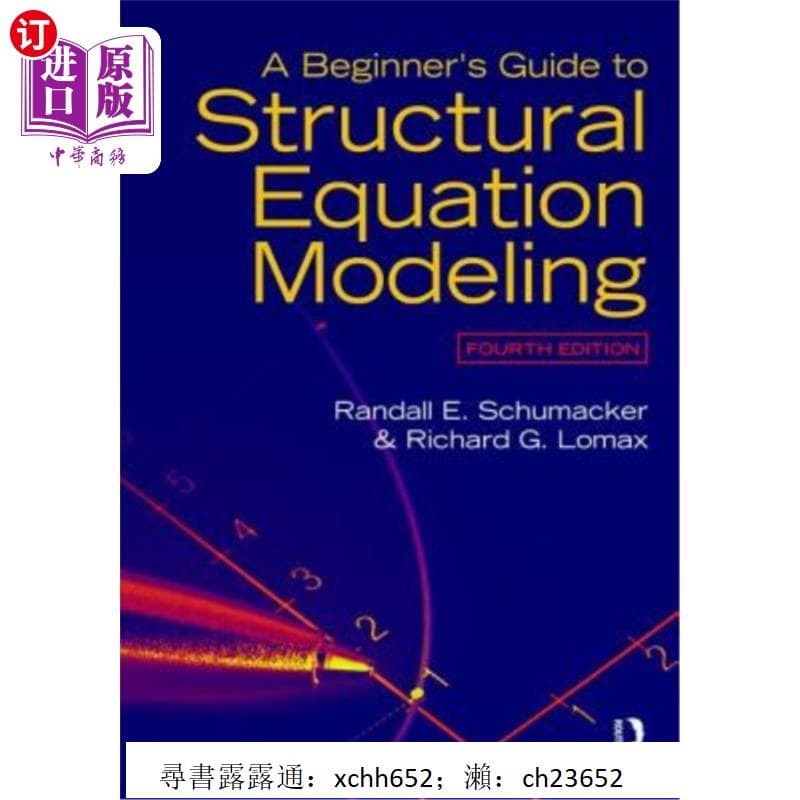
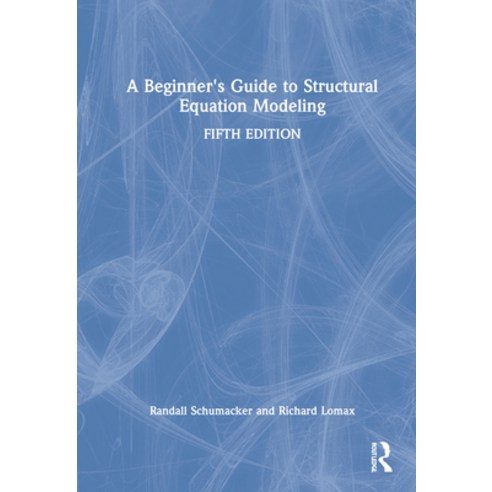
書 正版 A Beginner's Guide to Structural Equation Modeling 結構方程的詳細資訊
書籍為正版書籍 ,部分絕版書籍,為舊書或者二手書籍,建議咨詢客服
1.書籍均為簡體正版書籍,大陸版社直接寄送。部分絕版書籍為二手二手書籍
2.貨物3天內安排寄送,到貨時間大概8~12天,有時間要求請及時聯繫。
3.圖書因物流運送且多為單冊包裝,偶有碰撞折損潮損,非無法閱讀均不可退貨,完美要求者請切勿下標。
4.大物件商品超過超區規格,需要下標宅配到付哦 。
5.可免費代尋書籍!店鋪每天上新歡迎關注!
6.收到商品有任何問題,歡迎咨詢,感謝~
開 本:18開
紙 張:輕型紙
包 裝:平裝-膠訂
是否套裝:否
國際標準書號ISBN:9781138811935
所屬分類:圖書>英文原版書>科學與技術 Science & Techology
A Beginner\'s Guide to Structural Equation Modeling
作者: Schumacker, Randall E.
出版社: Routledge (2015年12月21日)
頁數: 372頁
語種: 英語
ISBN: 9781138811935
條形碼: 9781138811935
商品重量: 700.00g
商品尺寸: 25.15cm * 17.78cm * 2.54cm
編輯推薦
Noted for its crystal clear explanations, this book is considered the most comprehensive introductory text to structural equation modeling (SEM). Noted for its thorough review of basic concepts and a wide variety of models, this book better prepares readers to apply SEM to a variety of research questions. Programming details and the use of algebra are kept to a minimum to help readers easily grasp the concepts so they can conduct their own analysis and critique related research. Featuring a greater emphasis on statistical power and model validation than other texts, each chapter features key concepts, examples from various discip , tables and figures, a summary, and exercises.
Highlights of the extensively revised 4th edition include:
-Uses different SEM software (not just Lisrel) including Amos, EQS, LISREL, Mplus, and R to demonstrate applications.
-Detailed introduction to the statistical methods related to SEM including correlation, regression, and factor analysis to maximize understanding (Chs. 1 - 6).
-The 5 step approach to modeling data (specification, identification, estimation, testing, and modification) is now covered in more detail and prior to the modeling chapters to provide a more coherent view of how to create models and interpret results (ch. 7).
-More discussion of hypothesis testing, power, sampling, effect sizes, and model fit, critical topics for beginning modelers (ch. 7).
- Each model chapter now focuses on one technique to enhance understanding by providing more description, assumptions, and interpretation of results, and an exercise related to analysis and output (Chs. 8 -15).
-The use of SPSS AMOS diagrams to describe the theoretical models.
-The key features of each of the software packages (Ch. 1).
-Guide for reporting SEM research (Ch. 16).
/9781138811935 which provides access to data sets that can be used with any program, links to other SEM examples, related readings, and journal articles, and more.
Reorganized, the new edition begins with a more detailed introduction to SEM including the various software packages available, followed by chapters on data entry and editing, and correlation which is critical to understanding how missing data, non-normality, measurement, and restriction of range in scores affects SEM analysis. Multiple regression, path, and factor models are then reviewed and exploratory and confirmatory factor analysis is introduced. These chapters demonstrate how observed variables share variance in defining a latent variables and introduce how measurement error can be removed from observed variables. Chapter 7 details the 5 SEM modeling steps including model specification, identification, estimation, testing, and modification along with a discussion of hypothesis testing and the related issues of power, and sample and effect sizes.Chapters 8 to 15 provide comprehensive introductions to different SEM models including Multiple Group, Second-Order CFA, Dynamic Factor, Multiple-Indicator Multiple-Cause, Mixed Variable and Mixture, Multi-Level, Latent Growth, and SEM Interaction Models. Each of the 5 SEM modeling steps is explained for each model along with an application. Chapter exercises provide practice with and enhance understanding of the analysis of each model. The book concludes with a review of SEM guide for reporting research.
Designed for introductory graduate courses in structural equation modeling, factor analysis, advanced, multivariate, or applied statistics, quantitative techniques, or statistics II taught in psychology, education, business, and the social and healthcare sciences, this practical book also appeals to researchers in these discip . Prerequisites include an introduction to intermediate statistics that covers correlation and regression principles.
Biographical Note
RANDALL E. SCHUMACKER is a Professor of Educational Research at The University of Alabama, where he teaches courses in structural equation modeling.
商品備註・物品狀況:全新・最新關注時間:2025-08-06






暢銷商品排行榜





查看此商品的人也看了以下商品
-
 我的商店庫存: 289含稅28982元
-
 我的商店庫存: 154含稅6221元
-
 我的商店庫存: 178含稅1106元
-
 我的商店庫存: 476含稅746元
-
 我的商店庫存: 124含稅3330元
附近賣場的商品





顧客評論
推薦度 5分
目前有 197則評論。